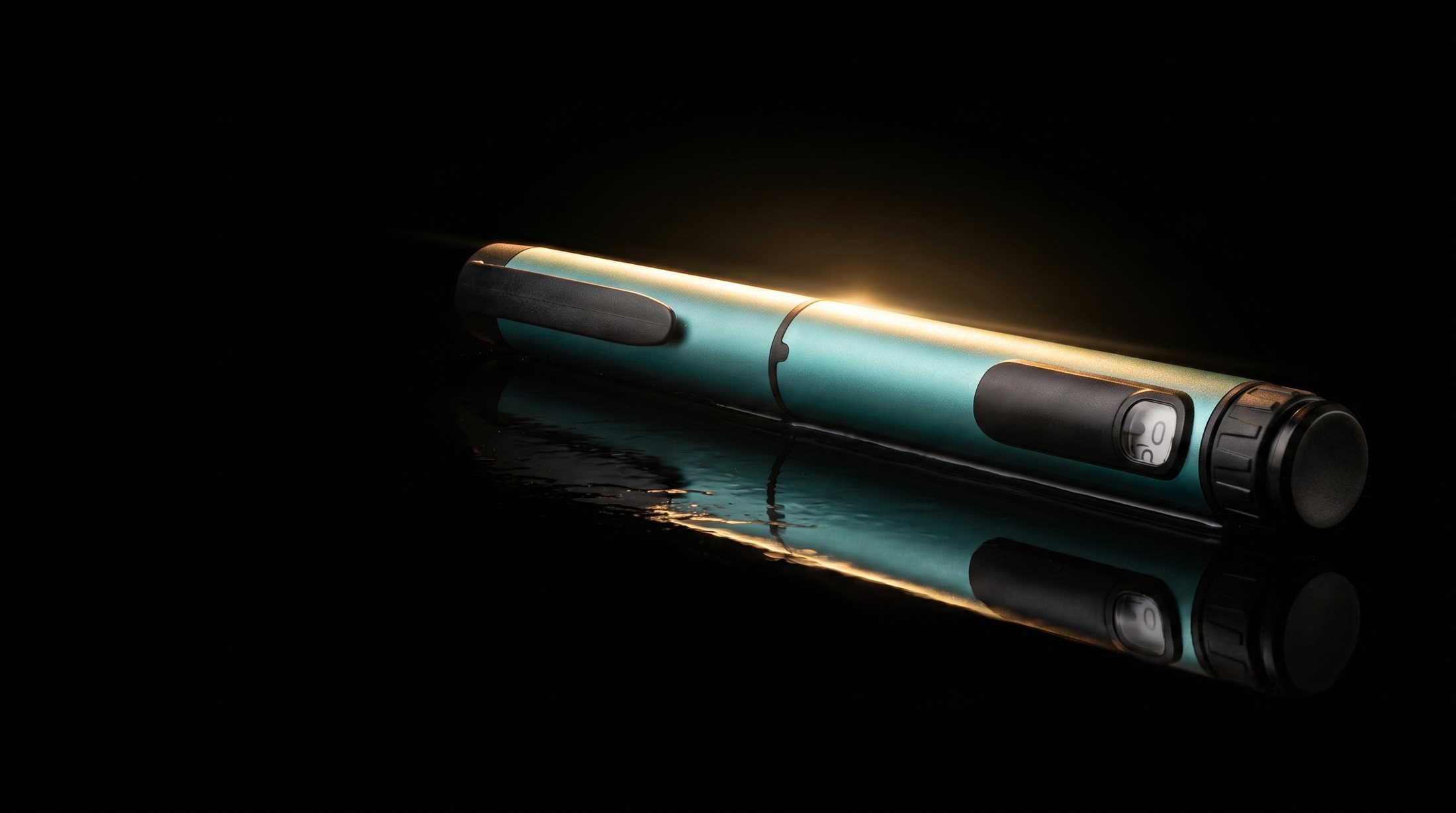
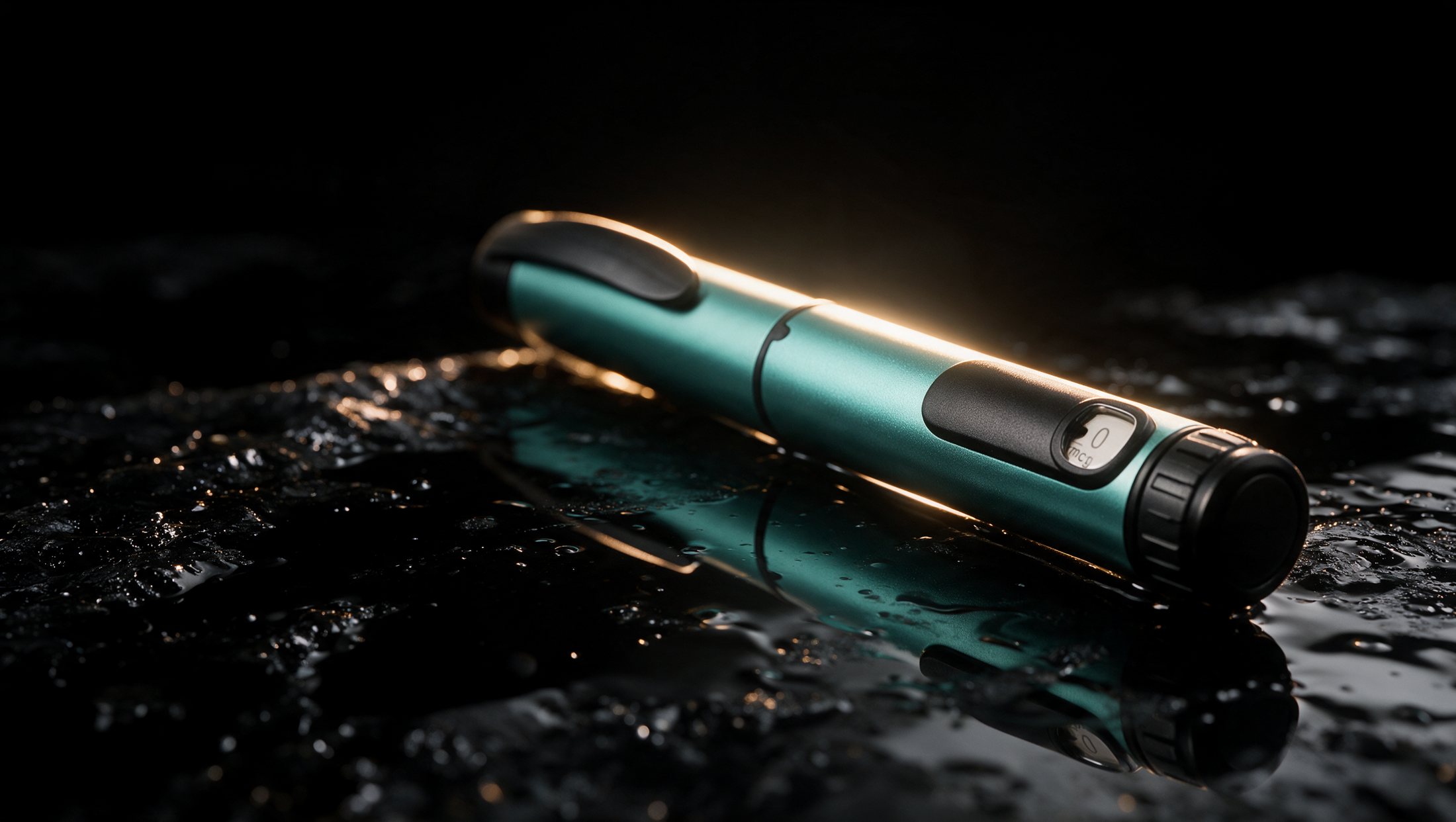
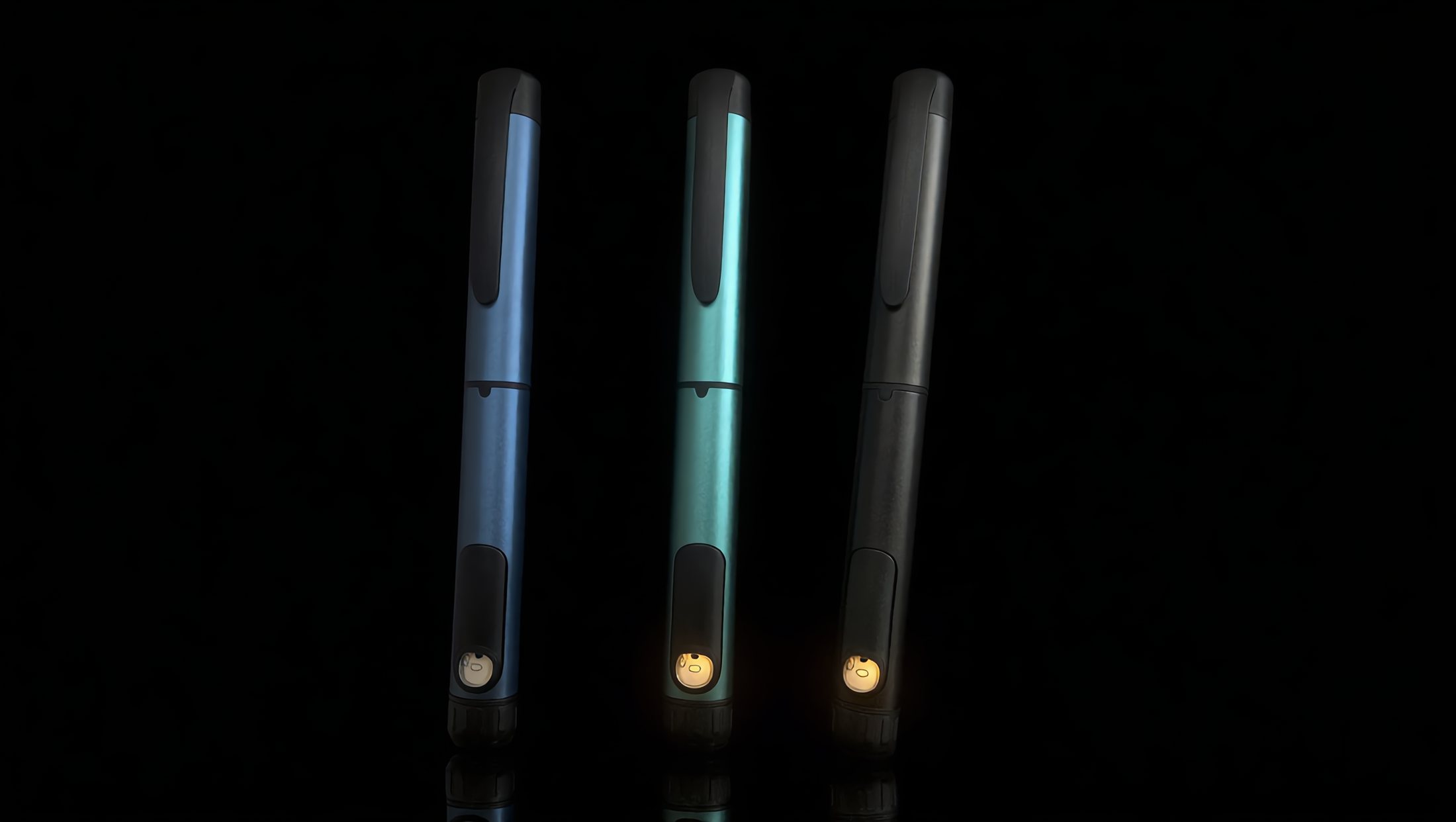
Section 503A restricts who may compound, which substances, and under what conditions. It does not restrict container-closure format. Nothing in the statute or in USP <797> limits a compounded sterile preparation to a vial.
The confusion comes from conflating a cartridge-loaded pen with a prefilled autoinjector — two different regulatory objects.
None of these conditions concerns container-closure format. There is no provision restricting compounded sterile preparations to vials, and none excluding cartridges.
FDA’s guidance on pen, jet and related injectors treats configuration as determinative. Objections to compounding “into pens” almost always describe the second row. A cartridge-loaded pen is the first.
| Configuration | Regulatory treatment |
|---|---|
| General-use, cartridge-loaded pen | Device cleared on its own. Class II under 21 CFR 880.5860 or 880.6920. Drug is a separate product; the patient loads a cartridge. This is the format in question. |
| Prefilled autoinjector | Combination product. Drug sealed in at manufacture, device discarded with it. Requires an NDA or BLA. A compounder cannot create this. |
| Co-packaged | Application-holder activity. Drug and device marketed together under one application. |
An ISO 11608-3 / ISO 13926 3 mL cartridge is a container-closure system — vial and syringe functions in a single piece of pharmaceutical packaging. Compounders already dispense in prefilled syringes; selecting a cartridge is the same category of decision. The pen body is a separate, durable, non-sterile, single-patient device the pharmacy does not manufacture.
Container-closure selection is governed by USP <797> on the same terms as any other — sterility assurance, closure integrity, and beyond-use dating.
Vendors build benchtop, semi-automated cartridge fill-finish systems designed for cleanroom use and marketed to 503A operations, including published material on 503A peptide fill-finish readiness.
A US manufacturer holds 510(k) clearance for both a reusable and a disposable cartridge pen and markets them explicitly to 503A and 503B pharmacies, selling ready-to-use 3 mL cartridges alongside them.
The general-use injector is a standing device classification premised on the drug being supplied separately — a configuration that only makes sense if someone other than the device maker fills the cartridge.
A vial line is not a cartridge line. Cartridges are filled bottom-up and generally require vacuum stoppering to clear air from behind the stopper after filling. Cartridge closure-integrity testing differs from vial methods and needs its own validation.
A pharmacy without that tooling correctly says “we can’t do that” — a true statement about its own capability that is then restated as a rule about compounding.
The legal analysis is identical at either scale. Only the equipment decision changes.
This reference answers whether the cartridge-and-pen format is available to a 503A. It does not answer the following.
Whether a given molecule may be compounded at all is separate, and governed by the bulks lists, monographs and the essentially-a-copy provisions.
Any pen used must itself be lawfully marketable in the United States. Format permission is not device permission.
Boards of pharmacy set and inspect against their own requirements, which vary.
Format does not extend a beyond-use date. BUD is assigned under USP <797> and supporting data as with any other preparation.
The certification package, manufacturer identity and the independent laboratory report are released to verified physician accounts under NDA.